
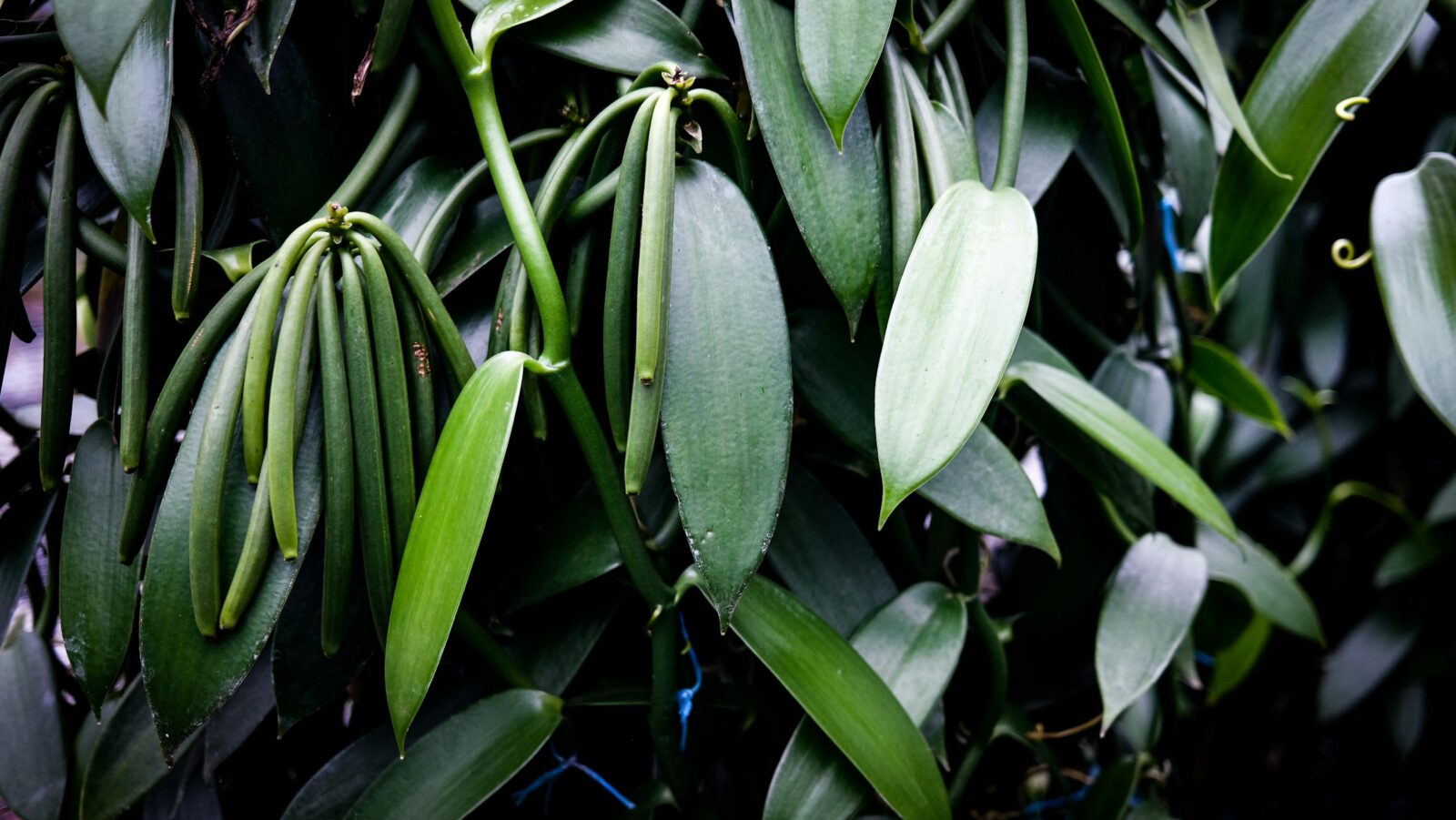
Yes, you can grow a vanilla orchid at home. Getting it to produce beans is another story entirely — one that involves years of patience, a single-day flower window, and a curing process that most home growers can’t replicate. Here’s what it actually takes.
Category Archives: Vanilla Blog
How a Baker Makes Vanilla Bean Paste From Whole Beans
Watch Amia of Make It Amazing turn whole Uganda vanilla beans into a dark, spoonable paste, from cutting the pods through blending and jarring the batch.
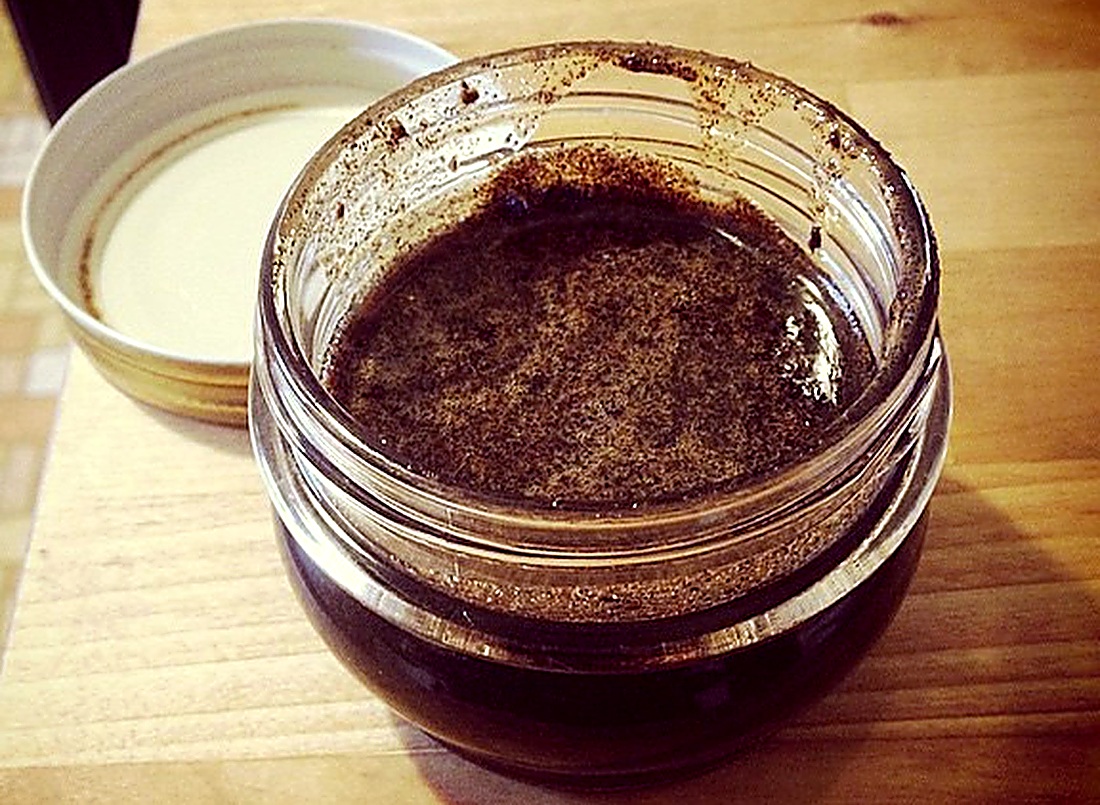
How to Make Vanilla Bean Paste From Vanilla Powder
Two tablespoons of vanilla powder, glycerin and simple syrup make a half cup of vanilla bean paste. No blender, no alcohol needed, and one step most recipes skip.
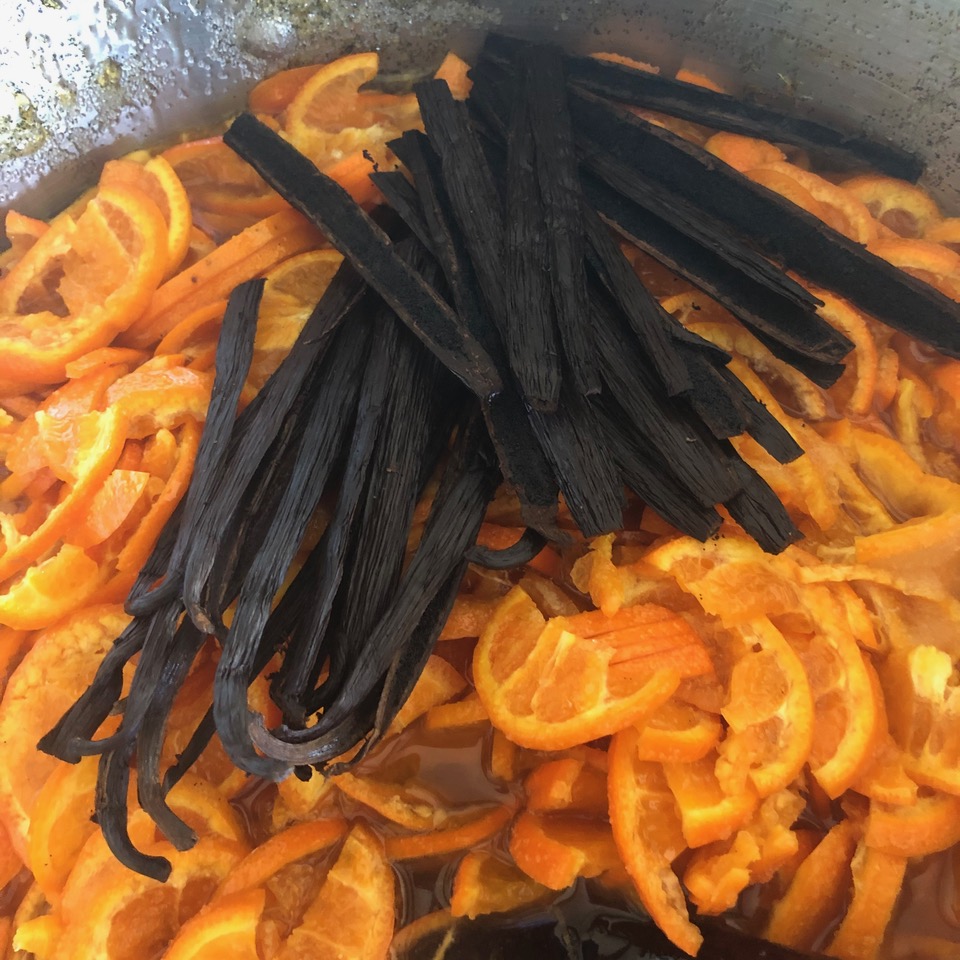
An Example of the Reviews We Get
A five-star Google review from a Santa Barbara museum curator, with his own photos of what he jams and bakes with our beans.
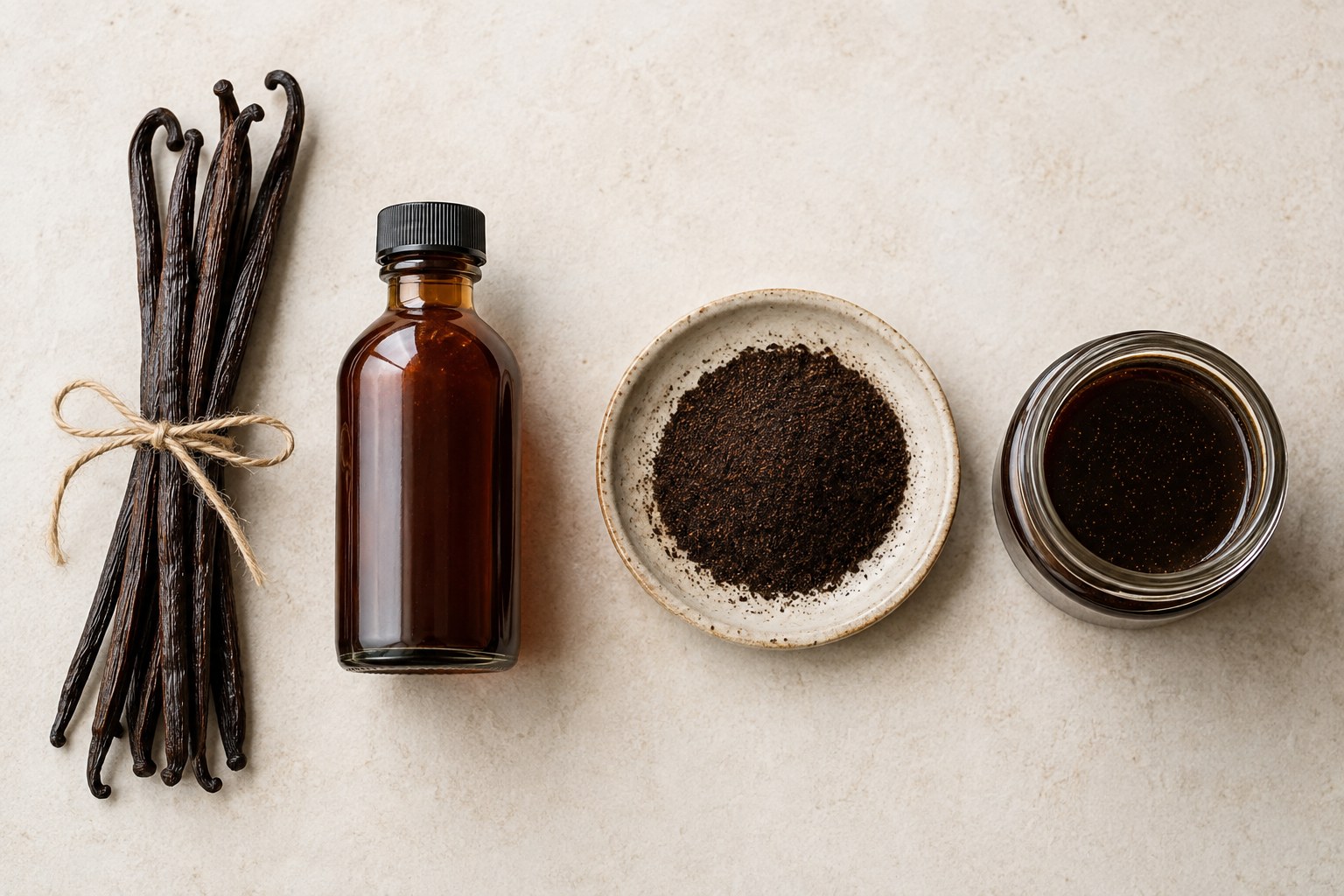
Vanilla Bean Substitutes: What to Use When You’re Out (Exact Ratios)
Mid-recipe and out of vanilla beans? Here are the exact substitution ratios — 1 whole bean = 2 tsp pure extract = 1 tsp powder = 2 tsp paste — plus a ranked guide to which swap works best for your recipe.
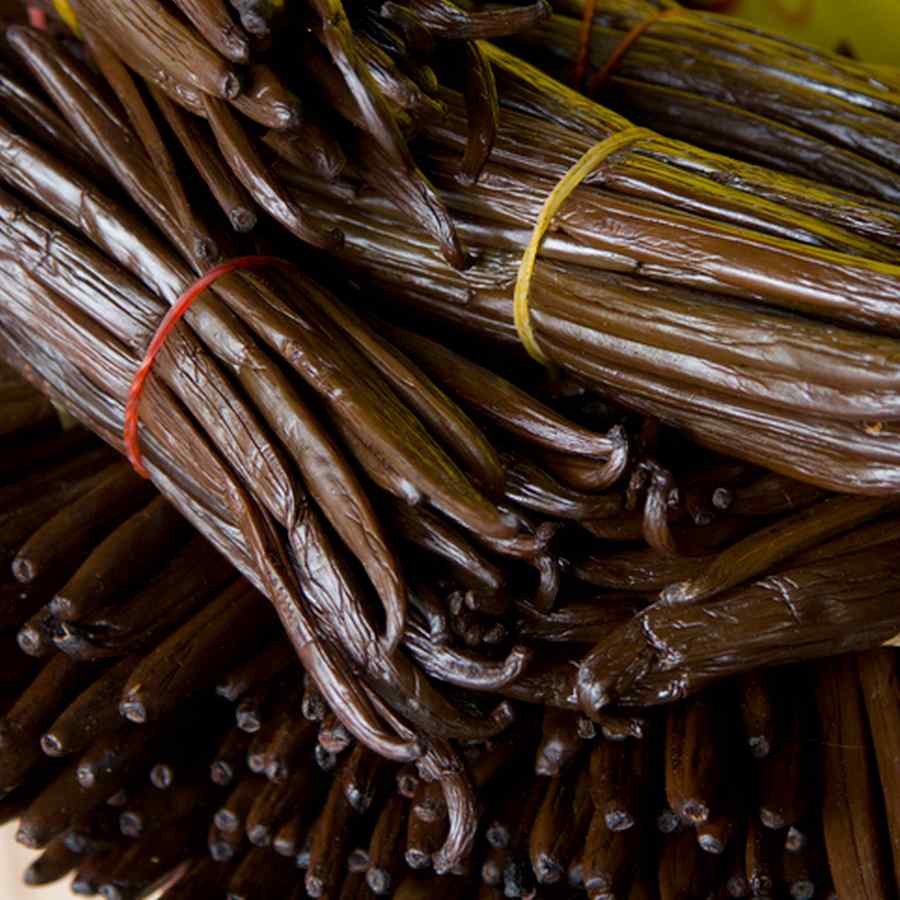
Made Entirely by Hand
Madagascar vanilla is made almost entirely by hand, and most of that work happens after the pod is picked: cleaning, scalding, sun-drying and months of conditioning.
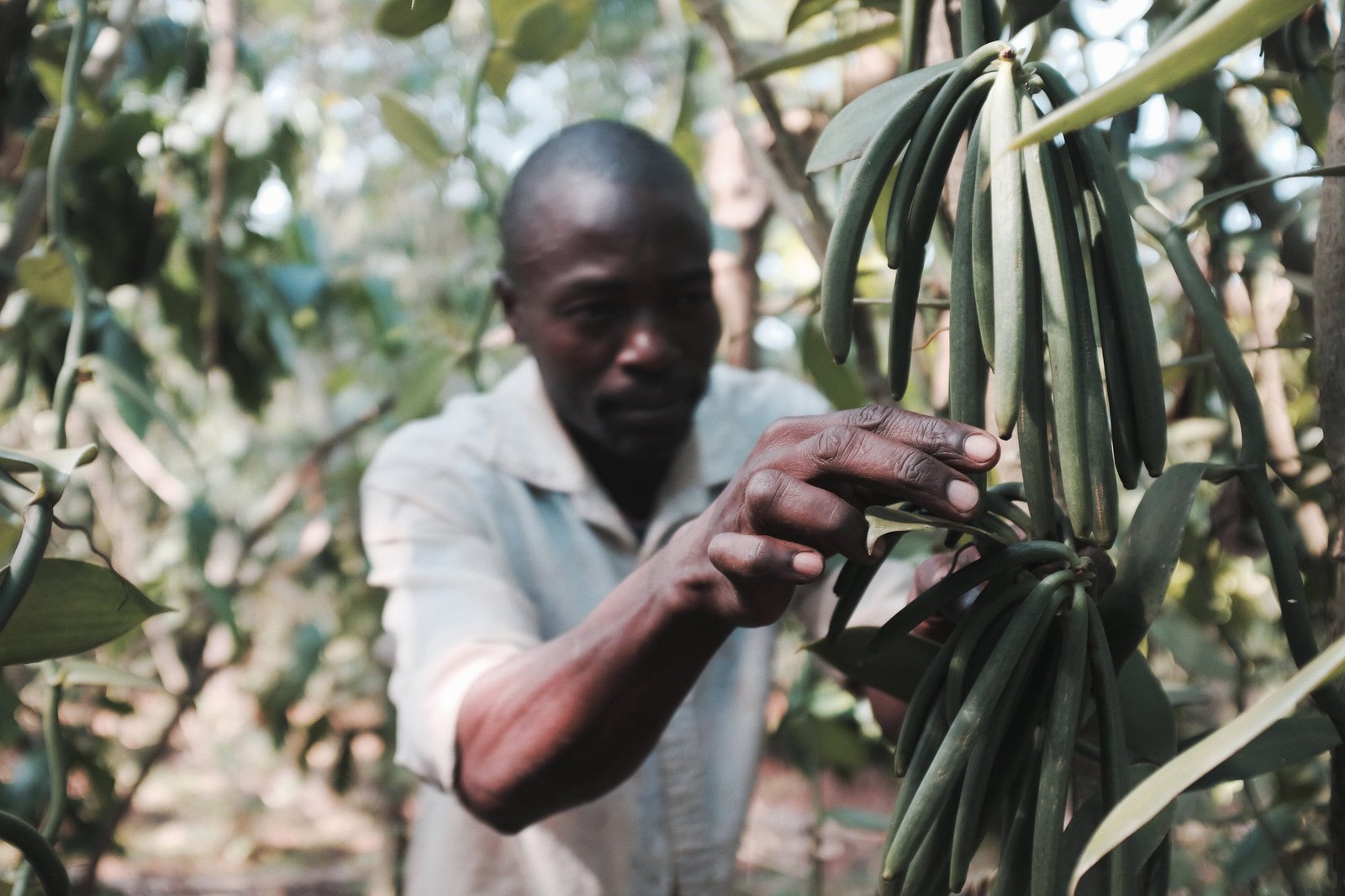
Vanilla Under the Canopy
In Uganda’s high tropics, smallholder farmers grow vanilla among coffee, cocoa, banana, and forest trees. The bean begins in a living, layered landscape.
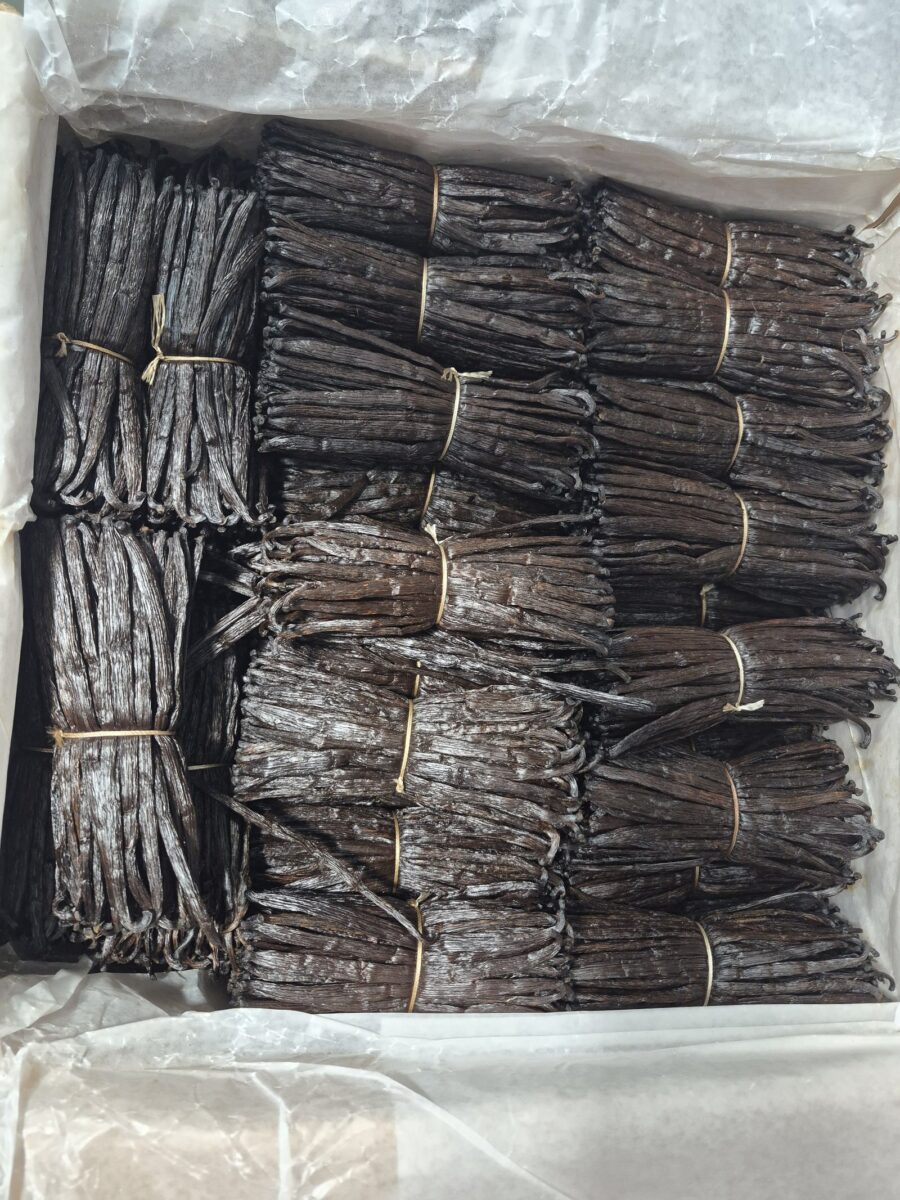
Vanilla Bean Prices in 2026: A Farm-Direct Importer’s Market Report
Vanilla bean prices are at decade lows in 2026. A farm-direct importer’s report: current retail prices by origin, why the market fell, and what comes next.
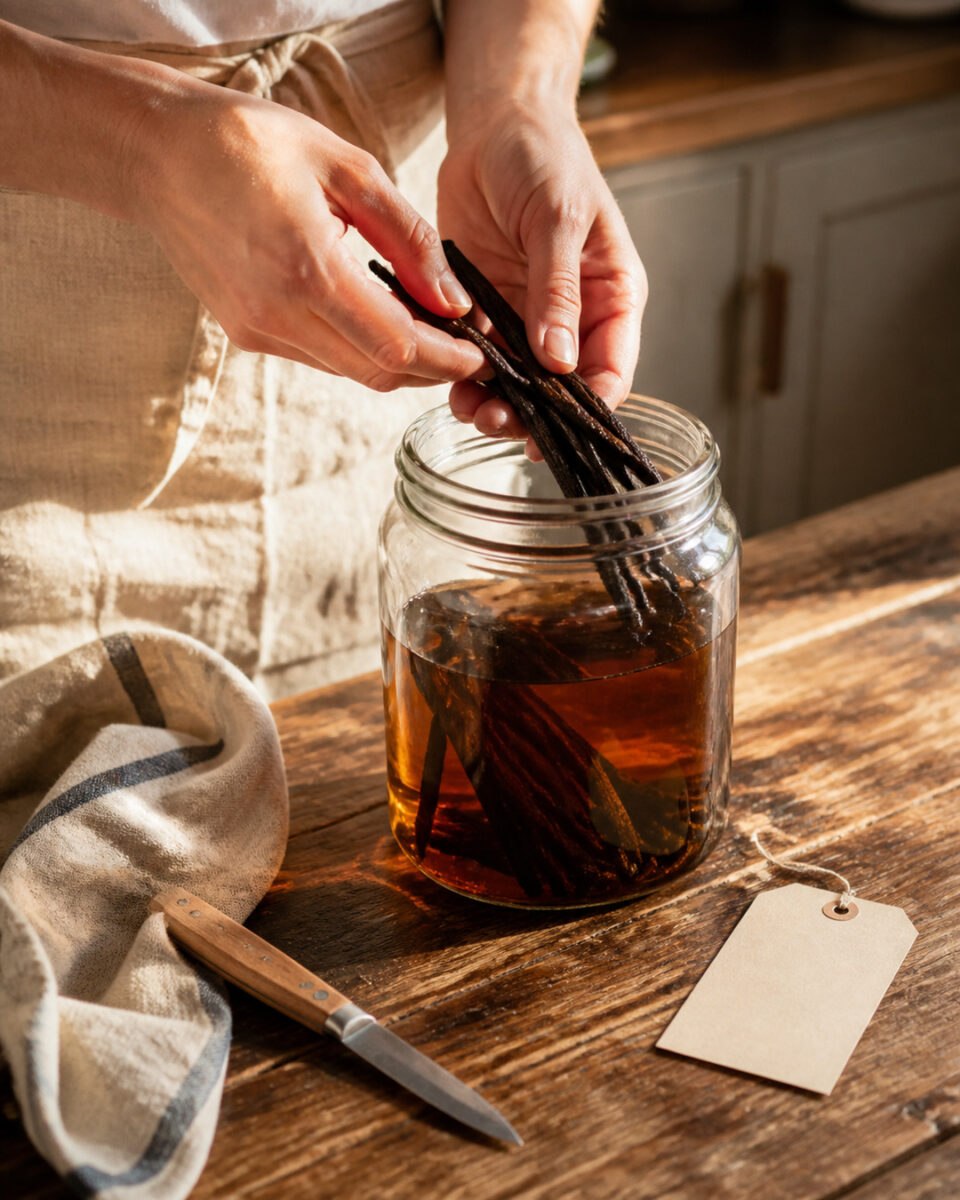
Am I Too Late to Make Vanilla Extract for Christmas?
Not too late for Christmas vanilla extract. The honest month-by-month timeline, plus the fast sous-vide method and the still-steeping gift.
Does Vanilla Extract Expire? Shelf Life, Storage, and When to Toss It
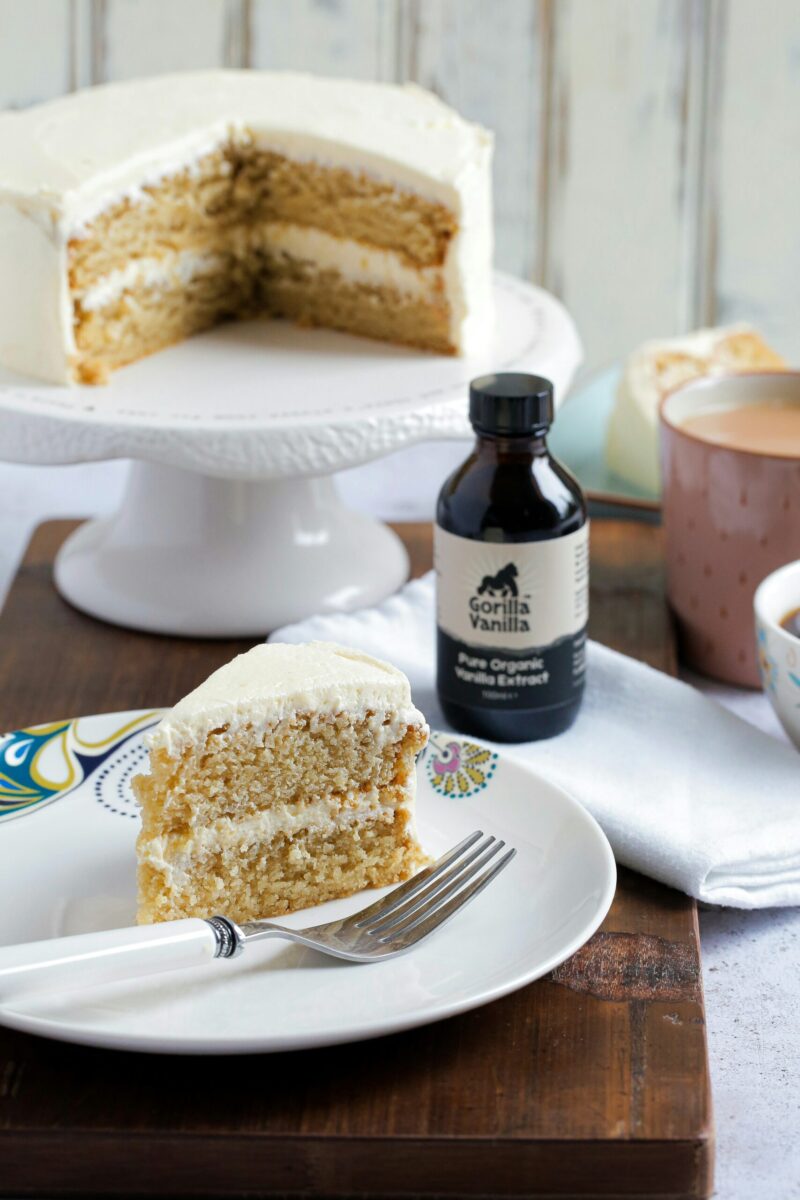
Pure vanilla extract does not meaningfully expire. The 35%+ alcohol content acts as a preservative, and the flavor actually deepens over time — which is exactly why serious extract makers age their batches on purpose. Here’s what you need to know about shelf life, storage, and when a bottle actually deserves to be tossed.