
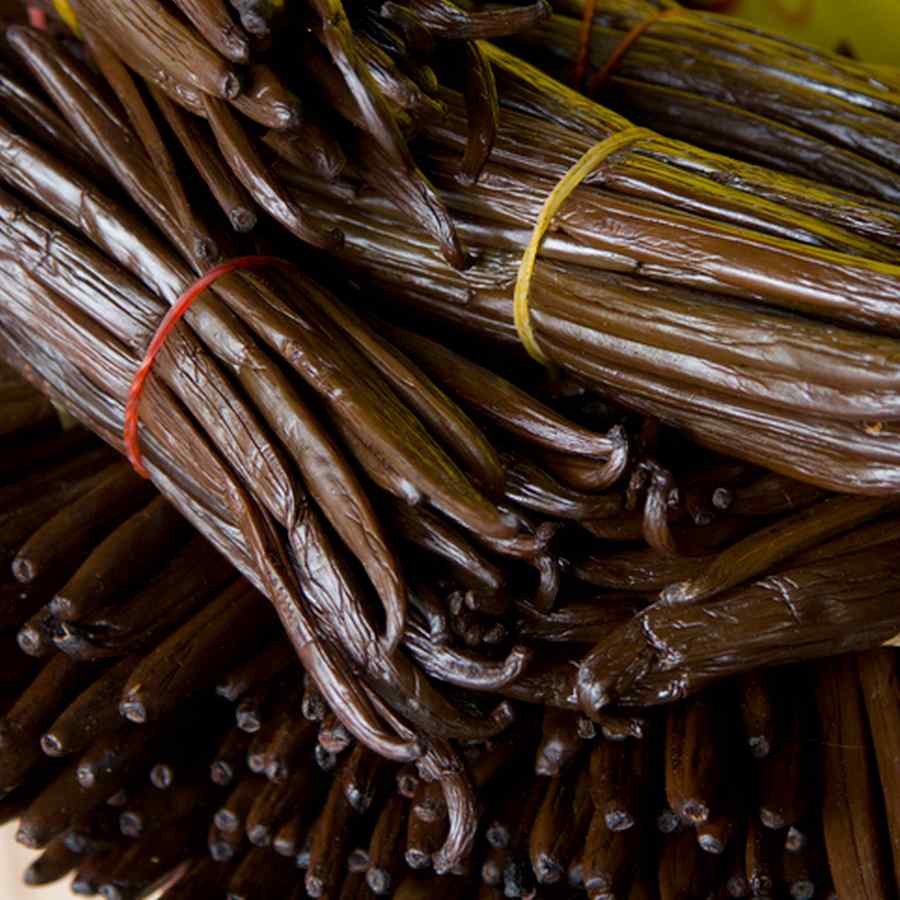
Where Our Beans Come From · Part Two: Madagascar
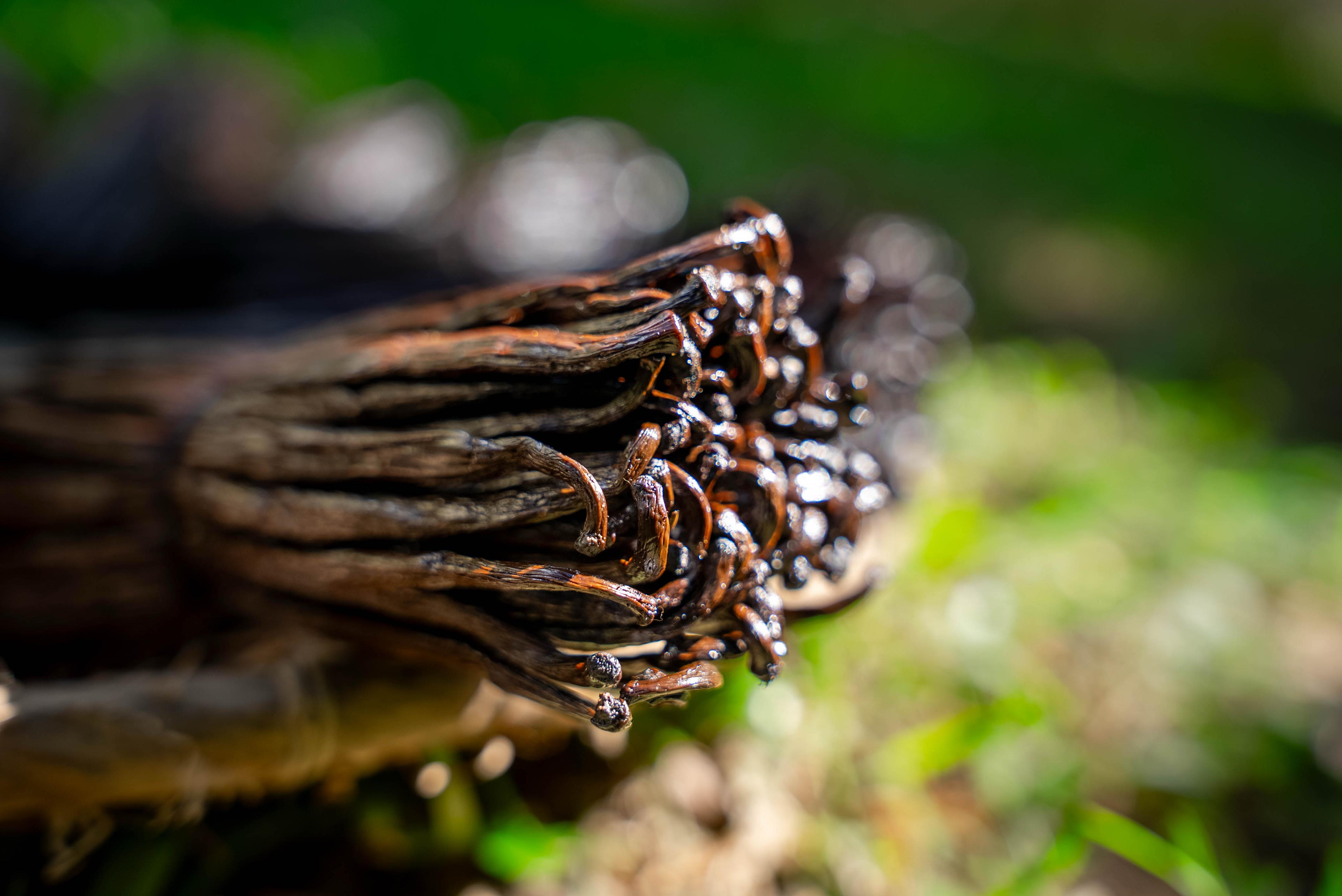
Madagascar vanilla is made almost entirely by hand, and most of that work happens after the pod is picked. Here is what actually gets done to a bean before it reaches us.
“There are no automated shortcuts in vanilla farming. Each plant must be nurtured and processed by hand.”
That is how our partners in Madagascar describe their own work, and it is the plainest summary of this origin we have read. Madagascar grows Bourbon vanilla — the vanilla most people are picturing when they picture vanilla. What separates a good bean from an ordinary one, though, is almost never the growing. It is everything that comes afterwards.
What the work involves
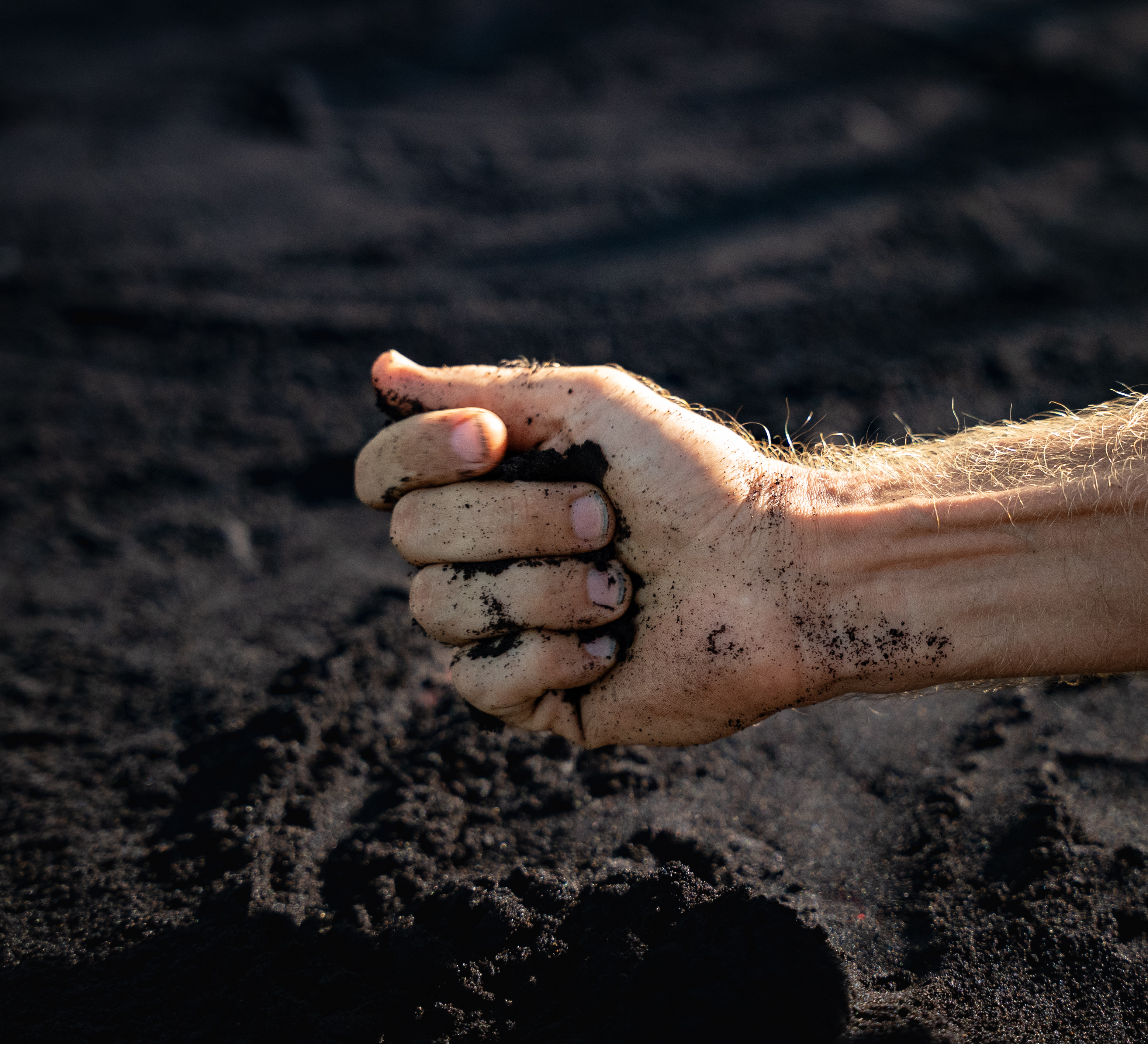
It starts in the soil
The vine grows in rainforest country, under shade, in ground the growers build up themselves. Our partners make their own compost and mulch on site rather than trucking fertiliser in, and they credit a change in how that compost is made — worked out with agronomists and vanilla specialists — with producing both a larger crop and a better one.
It is unglamorous work and it happens long before anyone sees a bean. The vanilla comes off family farms and co-operative partnerships as well as our partners’ own land, grown in what they describe as traditional, forest-friendly systems rather than cleared and planted like a row crop.
The part that takes months
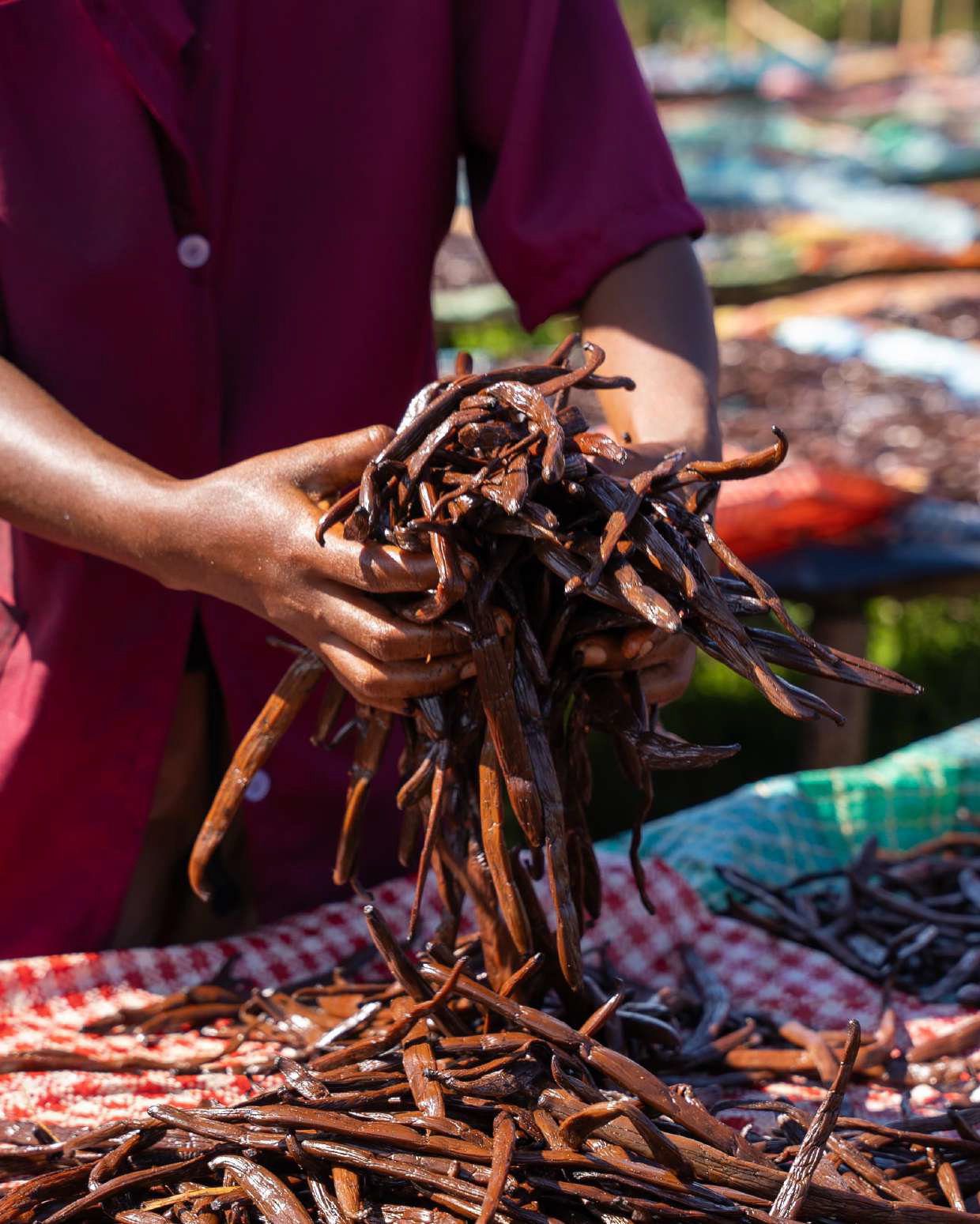
Picking is the short part. Everything that gives vanilla its smell happens afterwards, and our partners publish the sequence step by step.
The green beans are cleaned and sorted first. Then they are scalded: the pods go into hot water, which halts the enzyme activity inside them and locks in the compounds that become aroma. Only then does drying begin, out under the Malagasy sun — and that is the stage singled out as the one that decides quality, the point at which the aroma, the natural oils and the flavour are either preserved or lost. Conditioning, storage and hand grading come after that.
A green pod smells of almost nothing. Everything you recognise as vanilla is put there by the curing.
None of it is quick, and none of it is mechanised. Months of daily handling separate a freshly picked pod from a bean worth buying.
What the grades actually mean
The specifications our partners publish show how far apart the finished grades end up, and why you would choose one over the other. Gourmet beans are cured to 30 to 35 percent moisture at 14 to 21 centimetres long, deep black or dark brown, fragrant and full of seeds, with pods still moist and flexible. That is a bean you split and scrape.
Red splits are taken much drier, 10 to 23 percent, and finish lighter — light brown through to reddish. Less supple, less to look at, and the better value if the bean is going into alcohol rather than onto a plate.
Why we buy it this way
Plenty of companies selling Madagascar vanilla have never handled a green bean. They buy finished product from an exporter, warehouse it, and sell it on. Our partners grow it, cure it and export it themselves — which is the only reason we can tell you what happens to the pod at each stage rather than repeating what a middleman told us.
They also put money back into the places they work: schools, medical equipment, power. We cannot audit that from California and we would not claim it as our own doing. It is part of why they are the people we buy from.
Where Our Beans Come From
Madagascar vanilla is the most familiar vanilla in the world and among the most laborious to make. Part One of this series visited Uganda, where vanilla grows under an agroforest canopy.
Shop the originMadagascar Gourmet Vanilla Beans · Madagascar Red Splits · Madagascar Vanilla Bean Powder · Madagascar Pompona · More about Madagascar vanilla
Photography courtesy of our sourcing partners in Madagascar.