
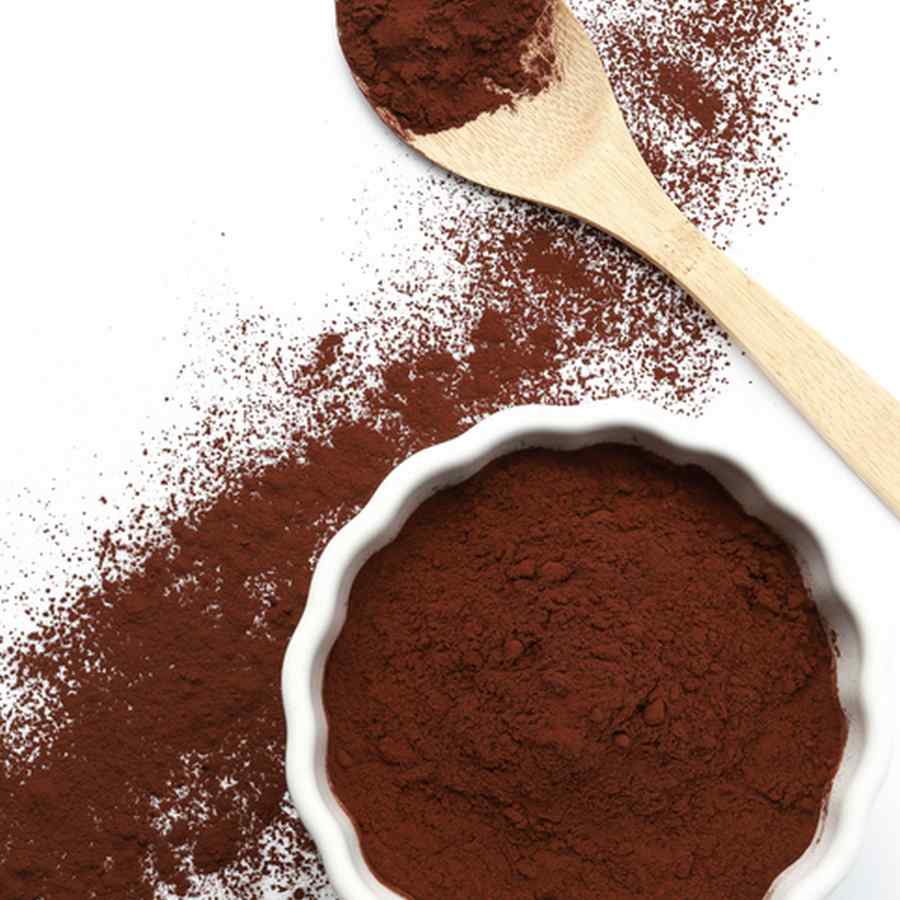
Vanilla bean powder is dried vanilla beans, ground to a fine powder — no sugar, no fillers, no additives. Making it at home takes four steps and about 20 minutes of active work. The honest caveat: home-ground powder is usually coarser than commercial powder, moisture causes clumping fast, and your yield is small. Whether you grind your own or buy pure ground beans depends on what you’re making and how often you use it.
How to Make Vanilla Bean Powder: 4 Steps
Step 1: Start With Fully Dry Beans
Moisture is the enemy. Plump, fresh Grade A beans have 25–30% moisture content — ideal for extract, terrible for grinding. You need beans that snap rather than bend.
Two good options:
- Spent beans left over from making extract or infusions. Rinse them, then dry at 170°F (the lowest setting on most ovens) for 1–2 hours until brittle.
- Whole dried beans — extract-grade beans are often drier and less expensive than Grade A, making them a practical choice here.
If you’re drying whole beans from scratch, spread them on a parchment-lined baking sheet. Watch them closely: you want brittle, not scorched. Over-dried beans lose volatile aromatics.
Step 2: Snip Into Small Pieces
Use kitchen scissors to cut the dried beans into ½-inch pieces. This protects your grinder blade and helps everything process evenly. Don’t skip this — trying to grind a whole dried bean puts unnecessary stress on the motor.
Step 3: Grind in a Spice Grinder
A dedicated blade-style spice grinder works best. Pulse in 10-second bursts rather than running continuously. The friction generates heat, which can melt the trace vanillin crystals and cause clumping. Let the grinder rest 30 seconds between pulses.
A high-speed blender can work, but you’ll get a coarser result. A mortar and pestle is an option for very small quantities — expect uneven texture and a workout.
Step 4: Sift and Regrind
Pass the ground powder through a fine-mesh sieve. The coarse pieces that don’t pass through go back into the grinder for another round. Two passes usually gets you the finest result a home grinder can achieve — which is typically 250–400 microns, noticeably coarser than the 100–150 microns you get from commercial stone-ground powder.
The Honest Caveats
Home vanilla powder works. But a few things are worth knowing before you commit:
- Yield is small. One dried vanilla bean yields roughly ½ teaspoon of powder.
- Moisture causes rapid clumping. Store your powder in an airtight container with a food-safe silica packet. Use within 3–6 months.
- Grind consistency matters in some applications. For espresso drinks and fine pastry work, coarser powder can create speckling or uneven flavor distribution.
If you bake with vanilla powder regularly or use it in coffee, dry rubs, or chocolate work, buying pure vanilla powder is often the better calculation — finer grind, consistent moisture, and no filler ingredients to dilute flavor.
When Buying Vanilla Powder Makes More Sense
Amadeus carries pure single-origin powder from Uganda and Madagascar — ground vanilla beans, nothing added. No sugar (a common adulterant in cheaper powders), no starch, no flow agents. Cassie and Marty oversee sourcing today, continuing Amadeus’s direct relationships with family farms and co-operatives that go back to the company’s founding in 1994. That sourcing discipline carries through to the powder: you know exactly what’s in the bag and where it came from.
For everyday baking, Uganda powder brings warm, earthy, slightly smoky notes. Madagascar powder is richer and more classically floral — the one most bakers reach for in custards and buttercreams.
How to Use Vanilla Bean Powder
- Coffee and espresso: ¼ teaspoon per 12 oz. Stir into grounds before brewing, or directly into a latte.
- Baking: Substitute 1 teaspoon powder for 1 teaspoon pure extract in most recipes. Powder holds flavor better at high heat.
- Dry rubs: Combine with smoked salt, brown sugar, and chili for pork or duck.
- Chocolate work: Mix into cocoa powder or melt into ganache without adding liquid.
Frequently Asked Questions
Can you grind vanilla beans in a spice grinder? Yes, as long as the beans are fully dried first. Fresh or semi-moist beans will gum up the blade and clump immediately.
Is vanilla powder just ground vanilla beans? Pure vanilla powder is, yes. Many commercial products add sugar, maltodextrin, or starch as fillers or anti-caking agents. Always check the ingredient list — it should read “vanilla beans” and nothing else.
Vanilla powder vs. extract: which is stronger? Neither is strictly stronger — they deliver flavor differently. Extract is alcohol-based and distributes evenly in liquid batters. Powder concentrates flavor without adding liquid, making it better for dry applications and high-heat baking. For a full comparison, see our vanilla bean powder vs. extract guide.
How much powder equals one vanilla bean? One whole vanilla bean equals approximately 1–1½ teaspoons of pure ground powder, depending on bean size and moisture content.
Amadeus has been importing vanilla directly from family farms and co-operatives since 1994. Shop our pure vanilla powder — single-origin, no fillers, stone-ground.