
Vanilla is one of the most popular flavorings in the world, but serious vanilla connoisseurs understand that not all vanilla beans are created equal. The quality, fragrance, and flavor of vanilla beans have much to do with where they are grown and how they are produced. For chocolatiers, bakers, or anyone who buys wholesale vanilla beans, knowing what distinguishes Madagascar vanilla beans, Ugandan vanilla beans, Tahitian vanilla beans, and Tanzanian vanilla beans can be the deciding factor when it comes to selecting the most suitable flavor profile. For a deeper look at origins, grades, and what to look for when shopping, see our guide on buying vanilla beans. Learn more about our sourcing and all four SKUs on our Madagascar vanilla beans page.
This shopper’s guide examines how country of origin influences the taste, cost, and quality of gourmet vanilla beans, so you can select the best for your 2025 and beyond culinary exploits.
Why the Origin of Vanilla Matters
As with wine and coffee, vanilla is shaped by its terroir: climate, soil, and methods of cultivation that characterize it. Humidity, curing, and elevation all make their mark on how the beans scent, taste, and even appear.
Vanilla production flourishes in tropical latitudes between 10°N and 20°S. This area offers heat and humidity sufficient for the sensitive Vanilla orchid to flourish. Every production area from the Bourbon Islands to East Africa and the South Pacific, adds unique qualities desired by chefs and buyers worldwide.
Madagascar: The King of Vanilla Beans
Each time that the term vanilla is said, Madagascar is brought to memory. Madagascar produces close to 70% of the world’s total production and therefore the vanilla giant in all senses.
Flavor Profile: Madagascar vanilla beans are renowned for their deep, creamy sweetness and warm, buttery notes. This timeless flavor is the reason that they are still the benchmark for Madagascar vanilla extract, ice cream, baked foods, and high-end syrups. If you’re making homemade vanilla extract, visit our extract maker guide for bean recommendations and ratios.
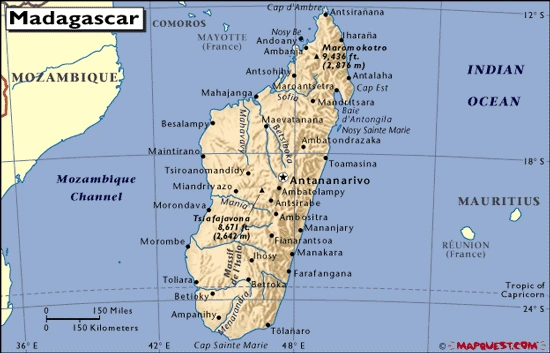
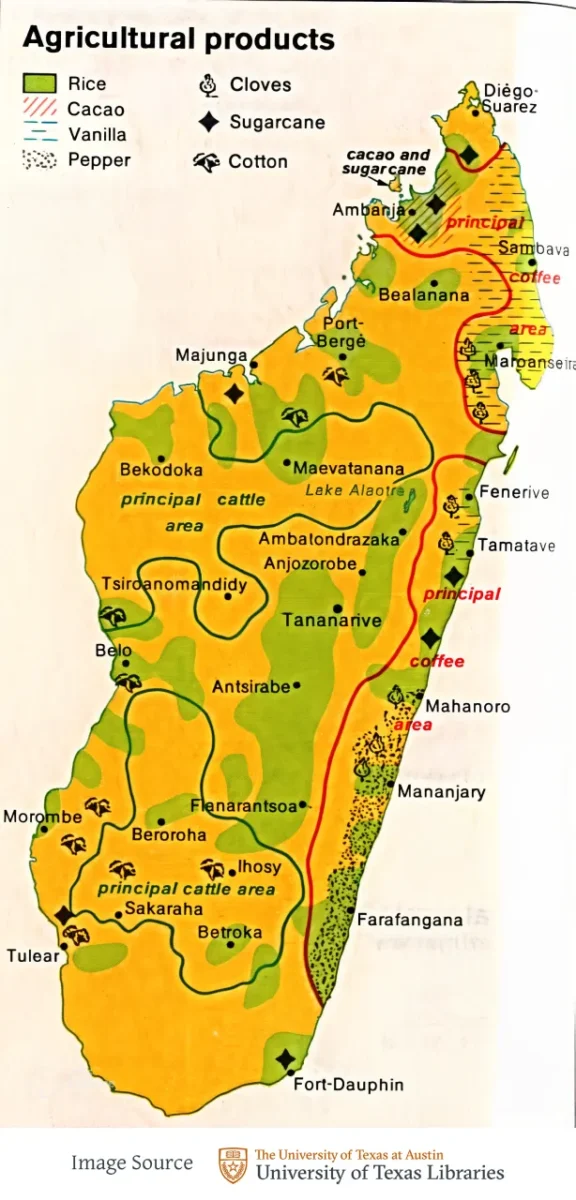
Growing Conditions: Madagascar’s rich Sava region, specifically around Antalaha and Sambava, is the world’s vanilla capital. If you’re gazing at a map of Madagascar, this northeast region of high humidity is where the Vanilla planifolia orchid feels most at home.
Best For:
- Baking and desserts
- Ice creams and custards
- Creating consistent Madagascar vanilla extract
Pro Tip: For the classic vanilla taste that’s ubiquitous around the globe, Madagascar vanilla beans are still the best bet.
Uganda: Africa’s Best-Kept Secret
Uganda is rapidly becoming one of the hottest regions for growing vanilla. Blessed with fertile volcanic soil and a twice-harvest climate, Ugandan vanilla beans are earning a solid reputation globally.
Flavor Profile: High vanillin content in Uganda vanilla beans produces rich, earthy, full-bodied flavors with undertones of raisins and chocolate. Their woody fragrance makes them particularly distinctive from Madagascar sweetness.
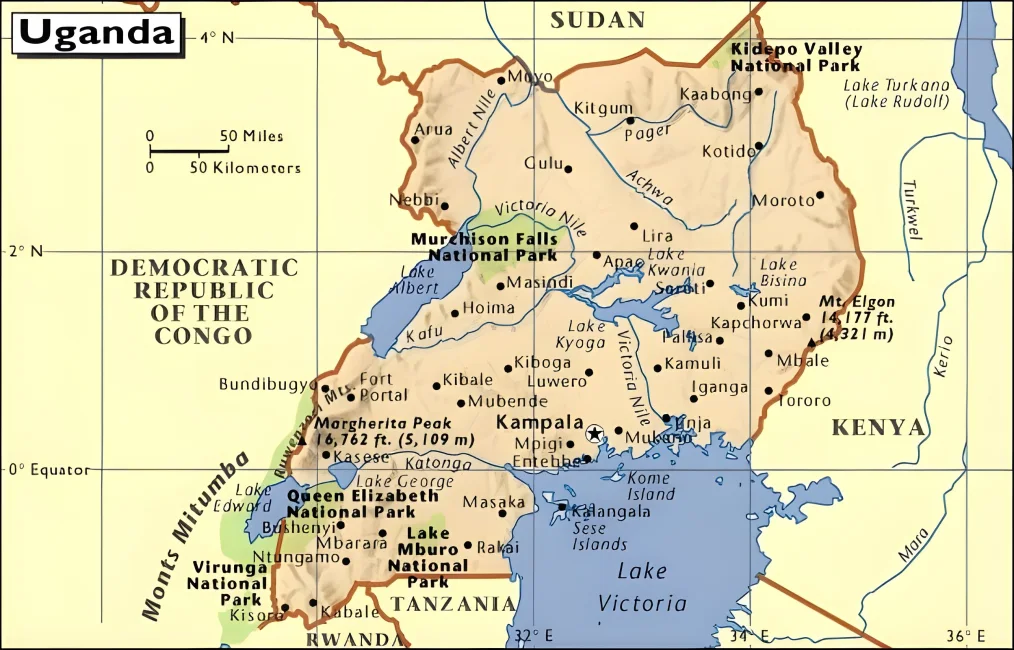
Growing Conditions: The equatorial position provides regular rain and temperature levels. Look at a map of Uganda and notice how its best growing conditions run along the equator — ideal for vanilla orchids.
Best For:
- Recipes based on chocolate
- Coffee beverages and specialty drinks
- Perfumes and rich-flavored desserts
Fun Fact: Chefs call Uganda vanilla beans the “dark horse” of the vanilla world — deep, intense, and unique.
Tanzania: Africa’s Upcoming Vanilla Powerhouse
South of Uganda lies Tanzania, another African country making a name in the vanilla sector. Though lesser in quantity, Tanzania vanilla beans are trending for their balance and sustainability.
Flavor Profile: The beans have a sweet, creamy smoothness with delicate florals and fruit undertones. They taste less strong than Madagascar’s but more refined and delicate.
Growing Conditions: Tanzania’s Morogoro and Kilimanjaro areas have rich soil, sufficient rainfall, and the hot tropical environment vanilla orchids require.
Best For:
- Pastry creams and fillings
- Balanced dessert recipes
- Vanilla syrups and sauces
Sustainability Note: Organic and fair-trade methods are used in most Tanzanian cooperatives, so Tanzania vanilla beans are an excellent option for consumers who are concerned.
Tahiti: The Luxe Option
Whereas Madagascar beans are all about tradition, Tahitian vanilla beans are luxurious and sophisticated. Grown in French Polynesia, Tahitian vanilla beans are of the Vanilla tahitensis variety, which has a vastly different flavor profile than the better-known planifolia species.
Flavor Profile: Tahitian beans are known by their perfume scent, with floral, fruit, and subtle cherry notes. Bittersweetly opposing Madagascar vanilla’s cloying sweetness, Tahitian vanilla beans offer a sophisticated maturity ideal for premium applications.
Growing Conditions: On French Polynesia’s hot, humid islands, hand-pollination and sun-drying techniques are carefully adhered to, yielding plump, fragile beans in high demand.
Best For:
- Perfumes and cosmetics
- Gourmet syrups and extracts
- Luxury desserts and pastries
Note: Because of limited production and careful curing, Tahitian vanilla beans are typically an upscale product, but their distinctive flavor is well worth the cost.
The Bourbon Islands: Vanilla’s Historical Origins
The “Bourbon vanilla” has nothing to do with whiskey, it comes from the Isle Bourbon (Réunion), including Madagascar, and the Comoros Islands. Réunion Also referred to as the “Bourbon Ile” or “Bourbon Island,”. It was here that the curing methods characteristic of traditional vanilla taste were established. When you notice “Bourbon vanilla” on a package, it is most likely beans produced in these islands with the traditional curing.
How to Choose the Right Vanilla Bean
With so many origins to choose from, the perfect bean is your choice. Consider the following:
Aroma & Flavor:
- Madagascar vanilla beans = old-fashioned, sweet, buttery aroma
- Uganda vanilla beans = rich, strong, earthy flavor
- Tanzania vanilla beans = smooth, floral sweetness
- Tahitian vanilla beans = exotic, floral, cherry-like aroma
Usage:
- For Madagascar vanilla extract, use fat, plump Madagascar beans that are full of vanillin.
- Coffee and chocolate pairings, Ugandan vanilla beans are the choice.
- For syrups or pastry creams, Tanzanian vanilla beans are superior.
- For luxury desserts or perfumes, Tahitian vanilla beans cannot be surpassed.
Budget:
- Madagascar provides consistency at a budget price.
- Ugandan and Tanzanian beans provide uniqueness at a mid-budget price.
- Tahitian beans are a costly outlay.
Sustainability:
Several Tanzania and Ugandan suppliers adhere to organic and fair-trade certification.
Support for sustainable agriculture benefits people living in areas where agriculture is a source of economic support. The agriculture sector in Madagascar, for instance, contributes a high percentage of its GDP through vanilla as one of the major exports.
The Role of Vanilla in Local Agriculture
For nations such as Tanzania, Uganda, and Madagascar, vanilla production is more than a flavor concern , it is a matter of life and death. Thousands of subsistence farmers rely on the crop for their survival. Offering ethically grown, fairly traded gourmet vanilla beans guarantees better quality for the consumer and empowerment of the growers.
Last Thoughts: Quality Exists in the Origin
Picking vanilla beans isn’t just a buying option, it’s a sensory experience of indulging in the origin, craftsmanship, and genuineness in every pod. Every bean carries with it the story of its earth, weather, and the farmers that worked it.
In case of uncertainty of what to choose, remember:
- Madagascar is a heritage.
- Uganda is complex bravery.
- Tanzania is harmonious.
- Tahiti is extravagant.
Wherever you source your vanilla, your senses will travel with each bean from around the world.
For gourmet and wholesale Madagascar vanilla beans, Ugandan vanilla beans, Tahiti vanilla beans, and more, discover what’s on offer at Amadeus Vanilla Beans. Whether crafting Madagascar vanilla extract, trying Ugandan strength, or adding Tahitian sophistication to pastries, Amadeus brings the world’s finest beans directly into your kitchen.